
#2 - Itai Hass
Epistemology, Partifuls, late Beethoven and more

royal jellies #2 features itai hass (website), a lower-manhattan based technologist, engineer, and musician with extreme range.
at duolingo, itai co-leads a 100-person monetization org where he’s spent 10+ years taking it from ~$0 to >$1B/year in revenue (style guidelines be damned, the B needs capitalized).
itai also invests in startups, builds social apps and hosts upstairs, a popular monthly live jazz night.
conversations with itai can’t help but be generative - what characterizes korean cinema? why is sapiens bad philosophy? what are the true boundaries of dimes square? perhaps because of his musical upbringing in tel aviv, his cs and philosophy degrees, or simply because the man is an instinctive dot-connector. in any case, here’s a taste of his inner world. enjoy!
Dr. Strangelove or: How I Learned to Stop Worrying and Love the Bomb (Stanley Kubrick)

in 1964 stanley kubrick released a comedy in black and white about the world on the cusp of nuclear self destruction starring the brilliant and hilarious peter sellers playing three different characters. it’s about humanity’s triumph over nature, but also maybe doom, and how it’s all kind of poetic. (the soundtrack is immaculate.)
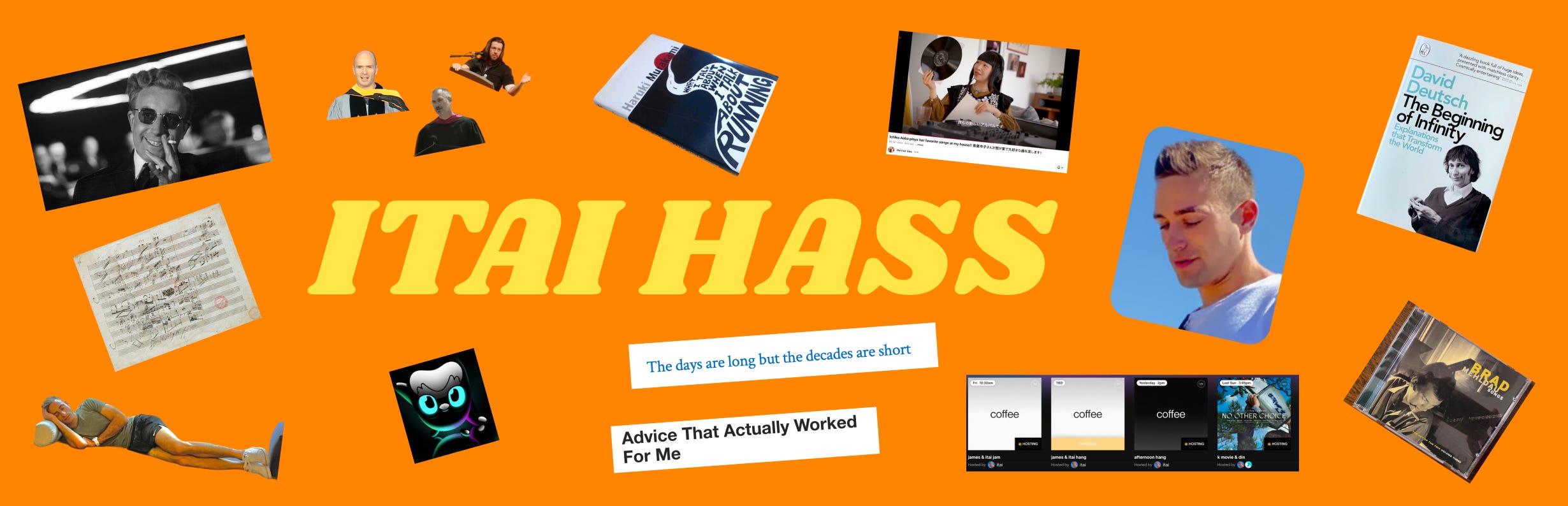
What I Talk About When I Talk About Running (Haruki Murakami)
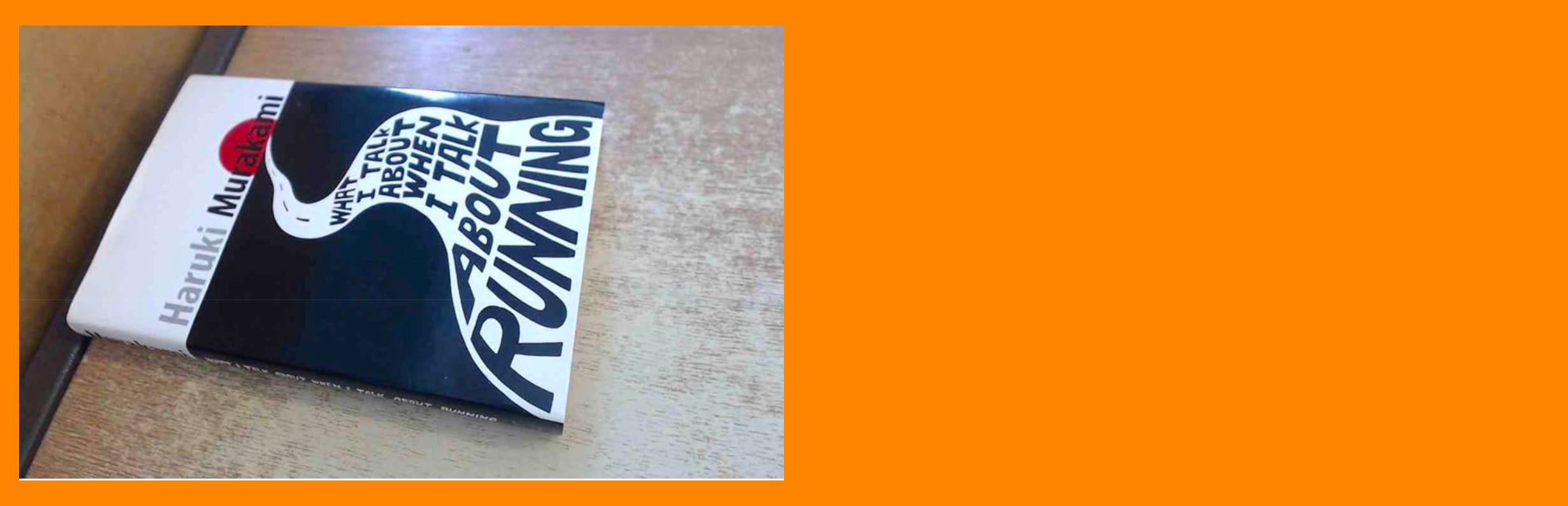
the writer haruki murakami has been running marathons since the 80’s and ties this back to his creative process. i read this when i was 15 (and twice more later) as i started running too. it taught me that “pain is inevitable, but suffering is optional.” facts.
Musicians introducing other musicians to their favorite music on Youtube

it’s an incredibly fast way to find new music in ways that algorithms just can’t do. my two favorite examples recently are derrick gee’s channel—where derrick and his musician guests swap esoteric favorites while he slowly interviews them—and a 2-hour b2b2b set by caribou, floating points, and fred again.. on nts, where they each play music by other artists, with the strict rule of *no drums*. i discovered a lot of new music on nts, where you can find less mainstream sets like rare groove jungle.
The Beginning of Infinity (David Deutsch)
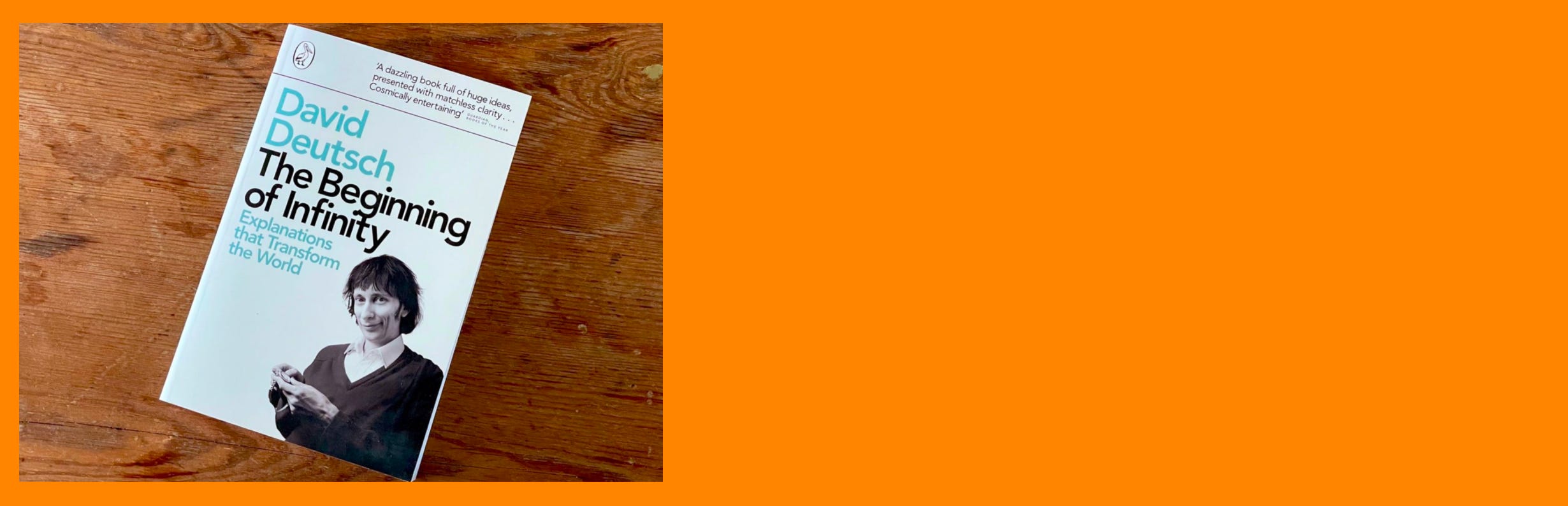
you still hear rumblings about “how can we know things for sure when even science is often wrong” and how this means everything is kinda moot. there’s an answer i think is convincing, and david deutsch explained it in a way that made sense to me for the first time. here’s the deal: science is not about knowing things for sure, it’s about making guesses about how stuff works. and those guesses don’t need to be perfect, but those guesses should explain more than previous guesses. even if those explanations are not perfect! those “better and better guesses” are science, the enlightenment, and the ultimate trick to growing knowledge even when you still make errors.
Partifuls for everything including 1-1 hangs
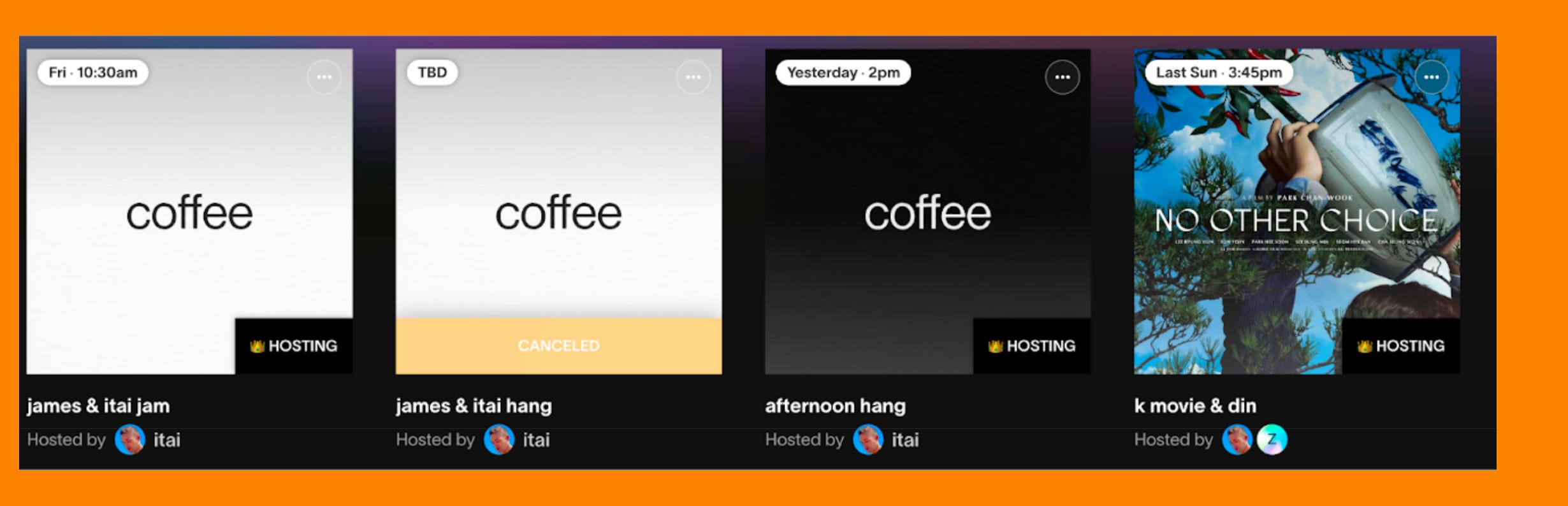
syncs to your calendar, sends reminders, a single source of truth, shows you care. if someone else joins just add them to the partiful—bam, they got all the info. also partiful is a cool startup that helps people hang out more—yay.
Listening to a whole album unplanned

this has happened at least twice—when i first discovered Brad Mehldau’s “Art of the Trio Vol. 3,” and when i discovered my all-time favorite Herbie Hancock’s The New Standard. in both instances, a few moments into the first track, something clicked, i laid down, closed my eyes, and listened through to the end.
Life advice that actually changed me
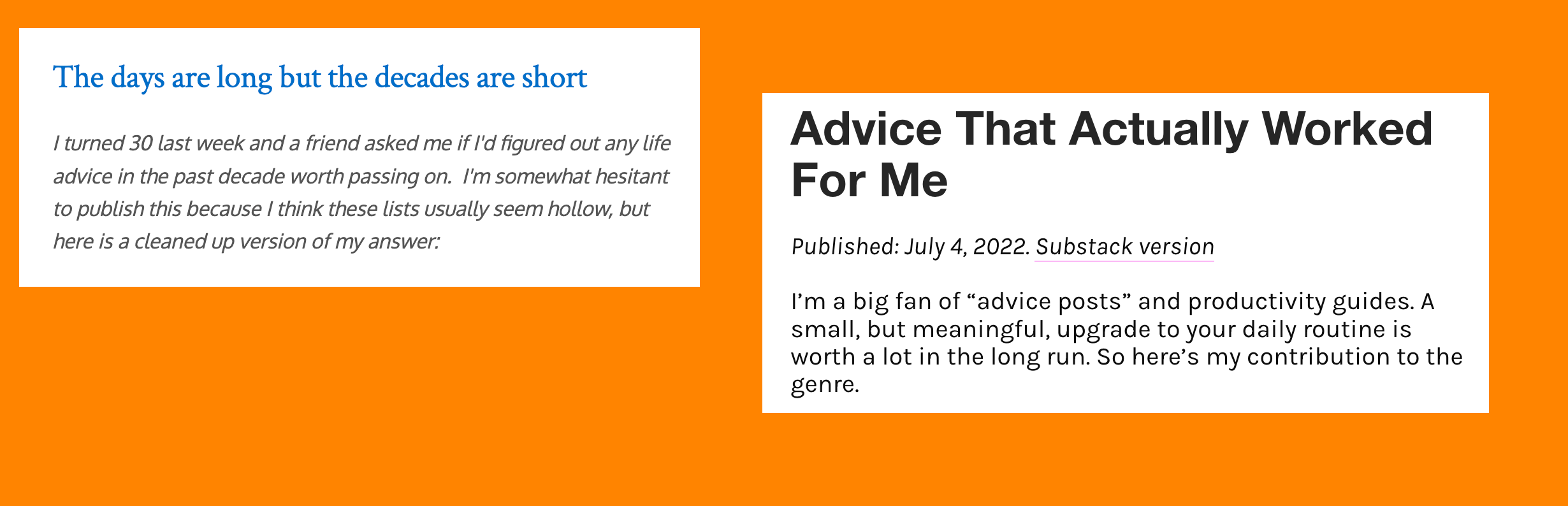
these came in the form of two essays—sam altman’s the days are long but the decades are short (just reading the title hits hard) and nabeel s. qureshi’s life advice that worked for me. if i had to choose highlights from these two… “talk to people more,” “ask for what you want,” “this too shall pass,” “maximize baseline energy” (and spending energy gives you energy), “tell the right stories about yourself,” and “summers are the best.” (i’ve also read these together with friends which was very generative and a great way to know your friends more deeply.)
6-minute naps

ok, more like 16 mins or 12 mins but sometimes 6 mins too. find an office sofa after lunch and lie down, close your eyes, and slow down your breathing. sometimes i wake up from such deep sleep that i can’t tell where i am.
Commencement speeches on how to be happy
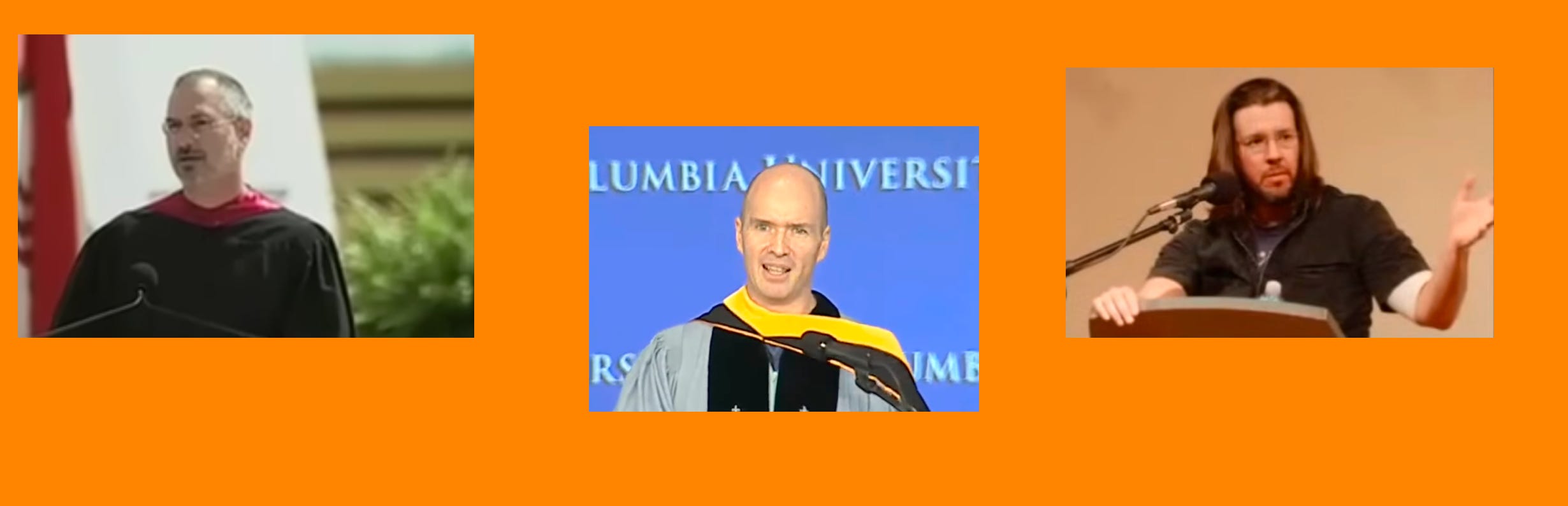
there are three that kinda make up a trifecta of attitudes in life: the famous steve jobs one where he suggests that key to being happy is finding your passion; the antithesizing “don’t follow your passion” by ben horowitz who suggests you first find something that’s useful to others and get good at it, and passion will follow; and the transcendent “this is water” by david foster wallace in which he reminds you that on some level passion or utility don’t matter—life is crazy and unpredictable anyhow, and happiness comes from your attitude, and that attitude is a choice. something to think about.
Beethoven’s late string quartets
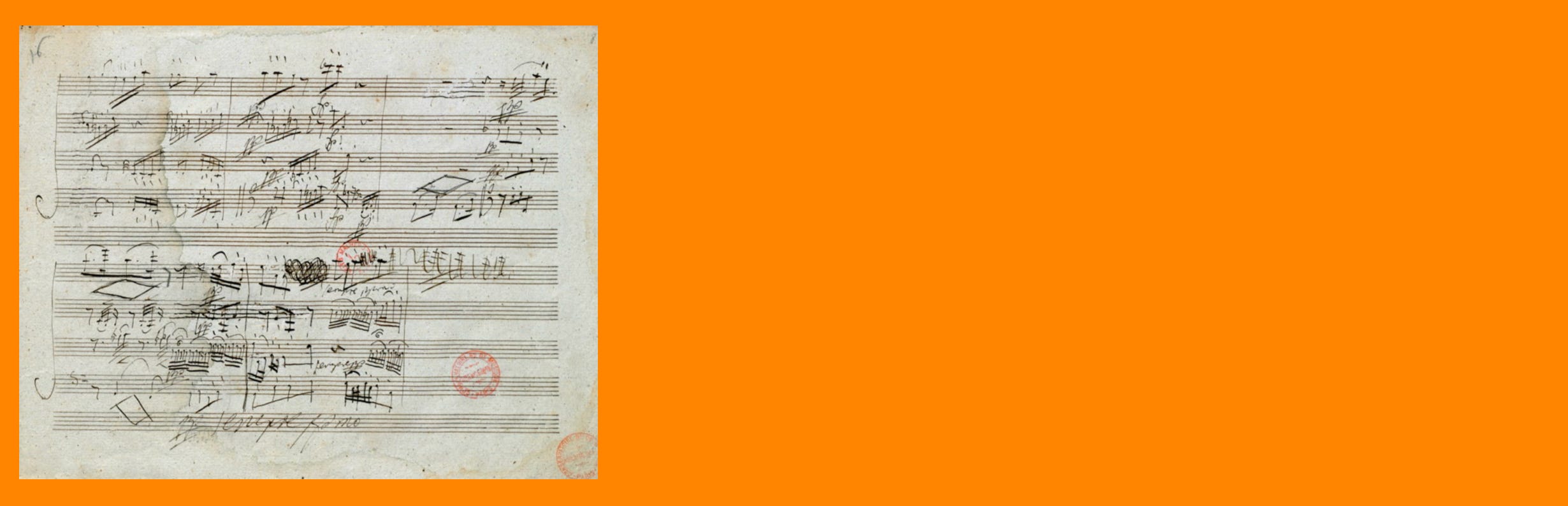
in his final years, beethoven was done with mainstream, and began writing highly abstract and personal pieces. his late string quartets are profound, and you can get an immediate sense for the soundscape and emotion in the third movement of string quartet no 15. (i discovered this particular performance in derrick gee’s episode with fred again...) if you’re into poetry, they say that the late string quartets inspired t.s. eliot’s four quartets!
that’s all the jelly for this week - itai loves cold emails and iced americanos so do hit him up for coffee.
next week’s edition features someone who is a persona role model based on their fast and steady progress towards a self-directed life. till then! - zan
itai is the BEST
curious what questions you're asking your interviewees to get such a range out of them? <3